
How to stay safe while traveling internationally normally occurs just after your next close call. That rush of adrenaline occurs when a stranger’s voice doesn’t sound in a familiar alley or when a taxi driver makes an unexpected turn. Travel opens doors to the world but when you’re on the road, especially the busier the roads or the night markets, then you need to be sharp to be aware of your surroundings rather than blind luck.
Research Local Scams and Neighborhoods Before Landing
Do some planning before packing a bag. Don’t read tourist board brochures, read expat forums and recent travel subreddits and city police advisories. Pay attention to particular scam techniques that happen in the city you’re visiting, such as the “spilled condiment” in Buenos Aires or the “tea ceremony” in Beijing.
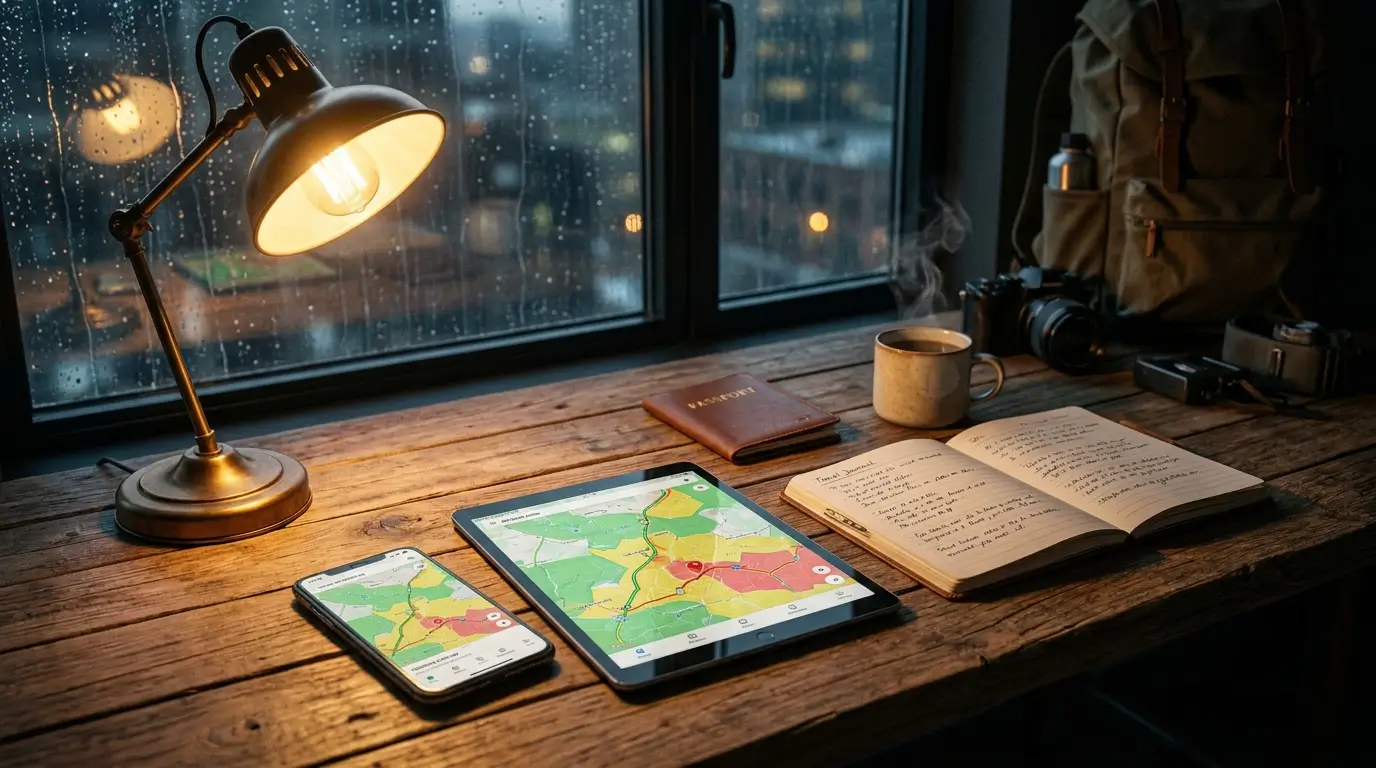
Google Maps or Maps.me can overlay the areas with high crime rates and safe neighbourhoods directly on your offline maps as you travel, allowing you to avoid unwanted situations with luggage in tow. It’s always a good idea to check the latest travelers’ posts (from the past month) for cross references, since street conditions change so rapidly.
Set Up Redundant Digital and Physical Backup Documents
Bad food poisoning is better than losing a passport. Make high-resolution digital copies of your passport data page, entry visas, travel insurance policy and vaccination records. Keep these copies in an encrypted vault app, such as Bitwarden, and also have a copy in an easily accessible cloud folder.
Also Read: Travel Insurance for Adventure Sports Enthusiasts 2026
Take 2 copies of your passport (one physical paper copy and one photocopy), and put them in different bags. On the street, if asked for identification by local police officers, present the paper copy or a digital scan on your phone first. Do not give your REAL passport to a border official or hotel desk.
Split Your Financial Assets Across Different Locations
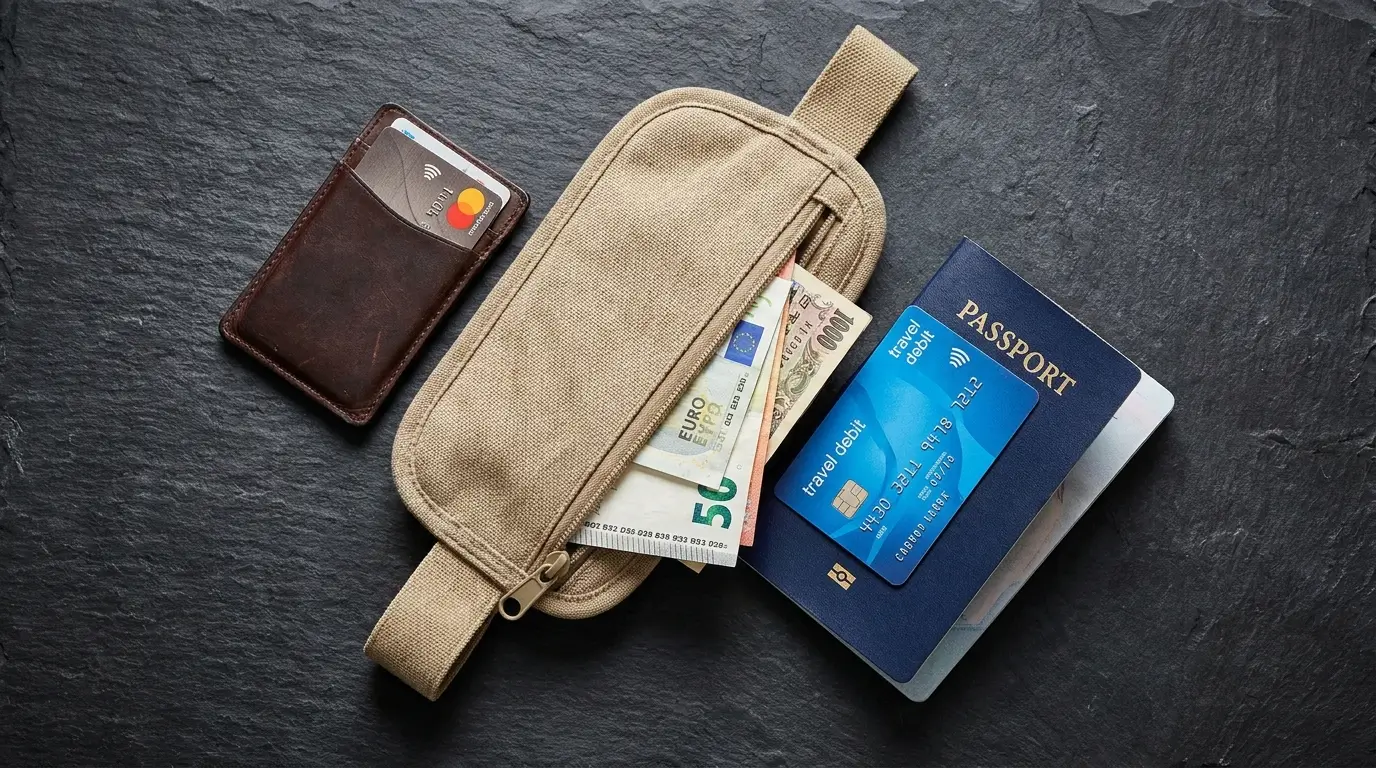
Don’t store all of your payment cards in one wallet. Pickpocketing can take only a few seconds, and if you lose all your cards you will be unable to get any local currency. Divide your money into three separate caches: a daily spending wallet, hidden backup pouch and a deep-storage stash kept in your locked room.
Use one debit card and one credit card for your everyday purchases and enough cash for the afternoon. Keep a low checking account balance by transferring from your savings only when necessary, and use a checking account that has no foreign transaction fees, like Charles Schwab. This means that if someone snatches your fake wallet they take away twenty dollars and your gift card, without touching your actual wallet.
Core Strategies for How to Stay Safe While Traveling Internationally
Street wisdom is more valuable than costly security gadgets in real life, time after time. The keys to staying safe while traveling in an international environment aren’t about purchasing a slash-proof backpack, but about the way you carry yourself and your attitude. Pilots who are disoriented, distracted by a phone screen or distracted by their surroundings are targets for criminals.
Be sure to walk with a tall back and a purposeful and brisk gait even if you’re totally lost. If you have to consult your phone to find directions, go inside a cafe, hotel lobby or supermarket. You’ll know who is watching you from a distance if your head is raised. IMO, all the money in the belt wouldn’t be as effective at scaring off an opportunist as a good attitude and observation.
Establish Strict Rideshare and Transit Safety Rules
Overseas ground transportation is one of the highest daily risk areas. Use approved rideshare services like Uber, Grab or Bolt rather than random taxis on the street from the main transportation hubs. These platforms will record vehicle path, driver profile, and eliminate the awkward negotiations over cash, in which meters are rigged.
Before touching the handle of a vehicle door, always verify the make, model and license number. Do not start a message with your own name first when asking about who is being picked up. For public transport, keep the daypack either close to the chest or between the legs with the foot in the foot loop of the pack. Avoid leaving belongings on empty neighbouring seats where a thief could pick them up just before the train doors are shut.
Blend In Visually and Manage Situational Awareness
Not wearing the right attire creates an easy target on your back. Avoid wearing jewelry, designer watches, and expensive camera equipment. Take note of the clothing of locals in your destination, modesty, and casual dress.
Never walk down the street while wearing ear buds and playing music. Always have one ear open to the environment or turn off the audio altogether when crossing walkways, using transit stations and in busy plazas. By the way, if you don’t have your phone in your back pocket you reduce the risk of being pickedpocketed by 90%. Always check immediately if bumped into unexpectedly.
Lock Down Mobile Data and Public Wi-Fi Connections
Unsecured WANs make it easy for users to share private logins and banking information with others on that channel. Purchase a local physical SIM card or make use of an eSIM such as Airalo when you arrive to ensure that you always have direct cell information. Reliable cellular data means you won’t need to make do with shaky open Wi-Fi at cafes and airports.
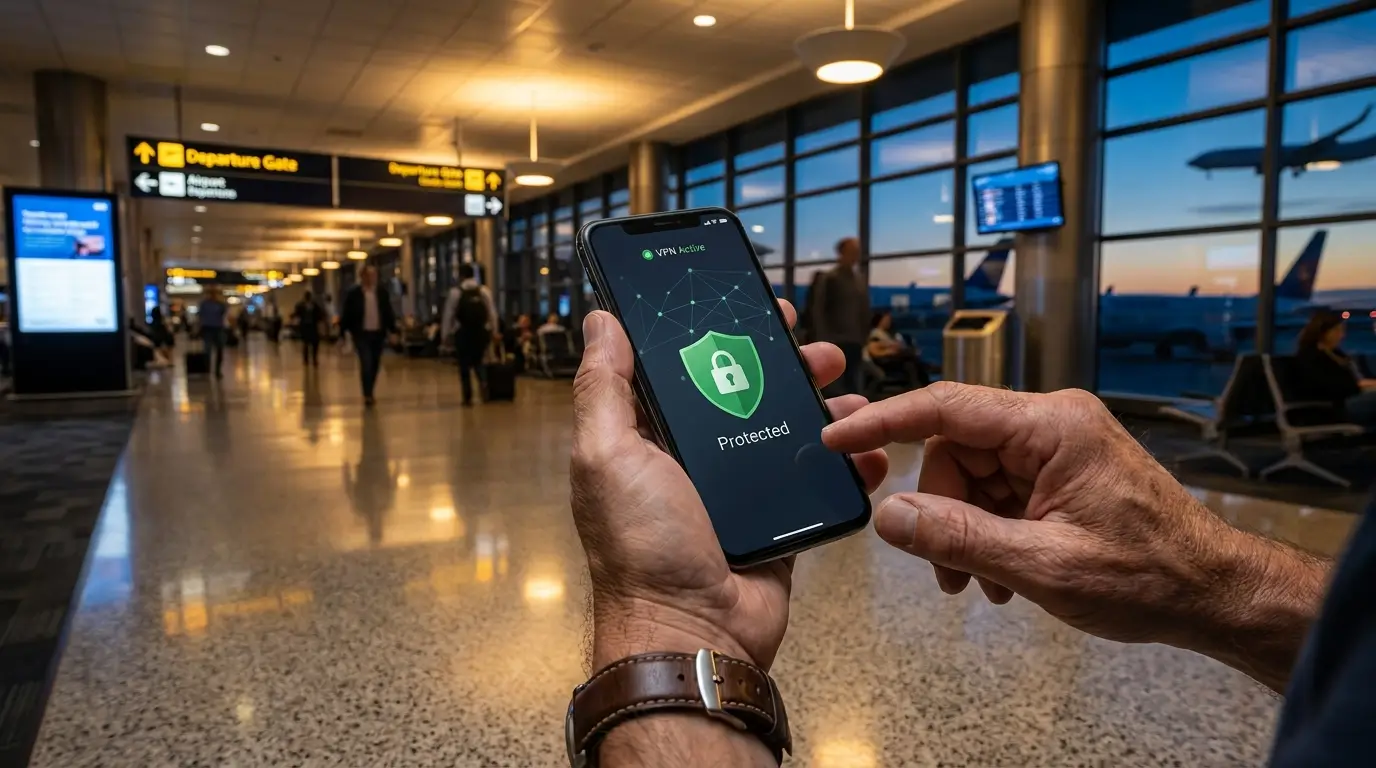
Always use a trusted VPN service when accessing Internet from hotel or cafe. Avoid turning on Wi-Fi, file sharing (AirDrop) and Bluetooth broadcasting when travelling through airports and bus terminals. These tiny settings help block unwanted connection attempts from bad guys conducting a scan of a crowded terminal for an easy-to-connect-to smartphone.
Pick Comprehensive Medical and Evacuation Insurance
The financial consequences of a medical emergency while traveling abroad is an overwhelming cost without adequate insurance. Most domestic health plans do not cover hospitalization or emergency evacuations abroad. Get an international travel insurance plan in advance from companies such as SafetyWing, World Nomads or Allianz.
Check your policy for coverage for emergency medical evacuation, coverage for stays at hospitals, coverage for dental emergencies and coverage for trip disruptions. If traveling to Southeast Asia with a motorbike in mind, or skiing in the Alps, make sure your policy includes cover for adventure sports. Save a copy of your policy number and the emergency assistance hotline in your phone contacts to have at your fingertips.
Build Consistent Communication and Check-In Routines
You have a safety net when you tell someone at home what you’re doing on your travels. Share your flight plans, hotel and other travel arrangements with a family member or friend you trust. If your plans are changing at the last minute, have a quick update on WhatsApp or Signal.
Also Read: How to Apply for a Tourist Visa Online 2026
Create an automated check in or schedule a daily check in message. Establish an agreed procedure: If you do not keep your contact for a certain amount of time, e.g. 24 hours, your contact agrees to take certain measures, e.g. contact accommodation or call the embassy of the country you are in. The U.S. citizens should also register trips through the STEP program that gives the embassy a way to contact you in natural disasters and political unrest situations.
Learn How to Diffuse Confrontations and Exit Bad Situations
Knowing when and how to walk away helps to prevent minor conflicts from becoming dangerous. When someone barges into an argument with you about a bill, busted taxi meter, bumped shoulder, etc., be polite, firm and calm. It’s better to swallow your pride and pay a disputed charge than be physically attacked in a foreign country that you don’t know the language.
Follow your gut instinct. If an alleyway doesn’t feel right, a bar crowd goes sour, or a stranger starts being pushy, get out right away, don’t think about being polite. Your gut instinct interprets all the warning signs in the environment quicker than your conscious brain. Stop a rideshare or walk right into the closest open store or hotel lobby to reset.
Guard Your Accommodations and Hotel Room Entry Points
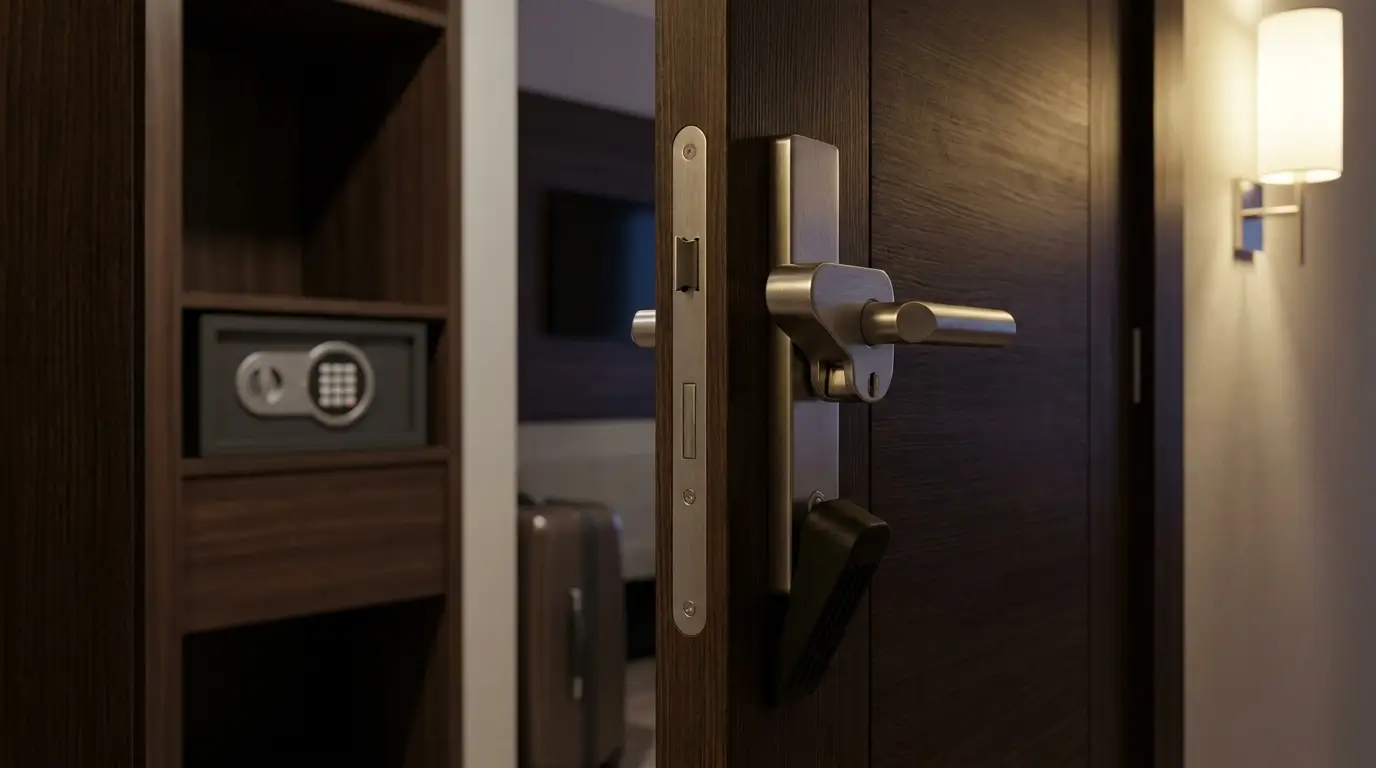
If you can secure your room well then you can get a good night’s rest after a long day of travelling. Check in to a room on the floor between second and fifth floor. On the ground floor of the building, rooms have easy access through windows to intruders, and rooms above the sixth floor are inaccessible to most fire department fire ladders.
Check the locks of all doors and window latches as you enter the room. At night lock the door with a cheap portable door lock or a rubber wedge under the door handle to prevent any door with a key from being unlocked. Avoid announcing your room number aloud at the front desk and place all the extra electronics and jewellery in the room safe.
Simple Ways on How to Stay Safe While Traveling Internationally in Transit
The key to dealing with busy bus and train stations is maximum alertness as there are crowds and many passengers who rush, giving the very opportunity for the thieves to strike. Transit days should not be spent worrying about losing gear during the trip, by learning how to stay safe while traveling internationally. Never let your bags out of sight, and use small carabiners to close your zippers.
Strap a daypack on a leg or under your head for sleeping on overnight trains. Do not accept drinks, food or private rides from overly friendly strangers in stations. True hospitality is found all around but sometimes fake hospitality will diminish your vigilance. Have a downloaded translation file saved on Google Translate and be able to seek help from the official railway personnel in an instant.
Frequently Asked Questions
What Is the Single Most Effective Habit for International Travel Safety?
There is nothing more important than maintaining a consistent situational awareness than any gadget. Use your cell phone in your pocket, listen to people around you and don’t wear two ear buds in noisy places. Criminals are looking for easy, distracted targets, and by looking alert, most opportunistic street crime is deterred.
How Should You Carry Cash Safely in Crowded Tourist Areas?
Don’t keep all of your money in your wallet. Carry a few cards in the zipped front pocket, put most in a concealed pocket and keep a large quantity in your hotel room safe with your passport.
What Should You Do Immediately If Your Passport Gets Stolen Abroad?
Report the theft to the local police right away to obtain a written police report documenting the theft. Then, get in touch with the closest embassy or consulate and submit your digital passport backup along with passport photos in order to obtain an emergency travel document. Cloud copies of your ID make this replacement process a lot easier.
Is Public Wi-Fi Safe to Use at International Airports and Hotels?
Wi-Fi hotspots in airports and hotels are not secure and can be easily monitored. If you’re doing delicate actions on your cell phone, like banking, use a local cellular eSIM, or if you’re doing all your internet stuff, use a trusted VPN to encrypt your passwords, messages, and browsing.
What Should You Do If an Aggressive Scammer Approaches You?
Make sure to avoid eye contact and keep on walking with purpose or intent. If the language is different, a good, friendly “no thank you” is very helpful. Do not stop to argue, touch down objects thrown at you, or go to a second place of security such as a private tea house or bar when approached by someone you do not know.
Conclusion
Being smart on the road doesn’t have to be about travelling safely and avoiding adventure. With the knowledge of good safety practices, you can then travel to new places with complete peace of mind and confidence. What is the number one rule you have for safety when you enter a new city?