
Picking the Right Travel Insurance for Adventure Sports Enthusiasts
When adventure travellers are choosing travel insurance, the process is typically tedious before their trip. You get your climbing pack or your mountain bike and discover that normal rules apply to trail riding as if it is a criminal offence. The last thing you want when you’re in for a thrill is to read exclusion clauses. However, when stuck on a mountain ridge with no medical evacuation coverage, your wallet is quickly emptied.
What Makes Extreme Sports Policies Different
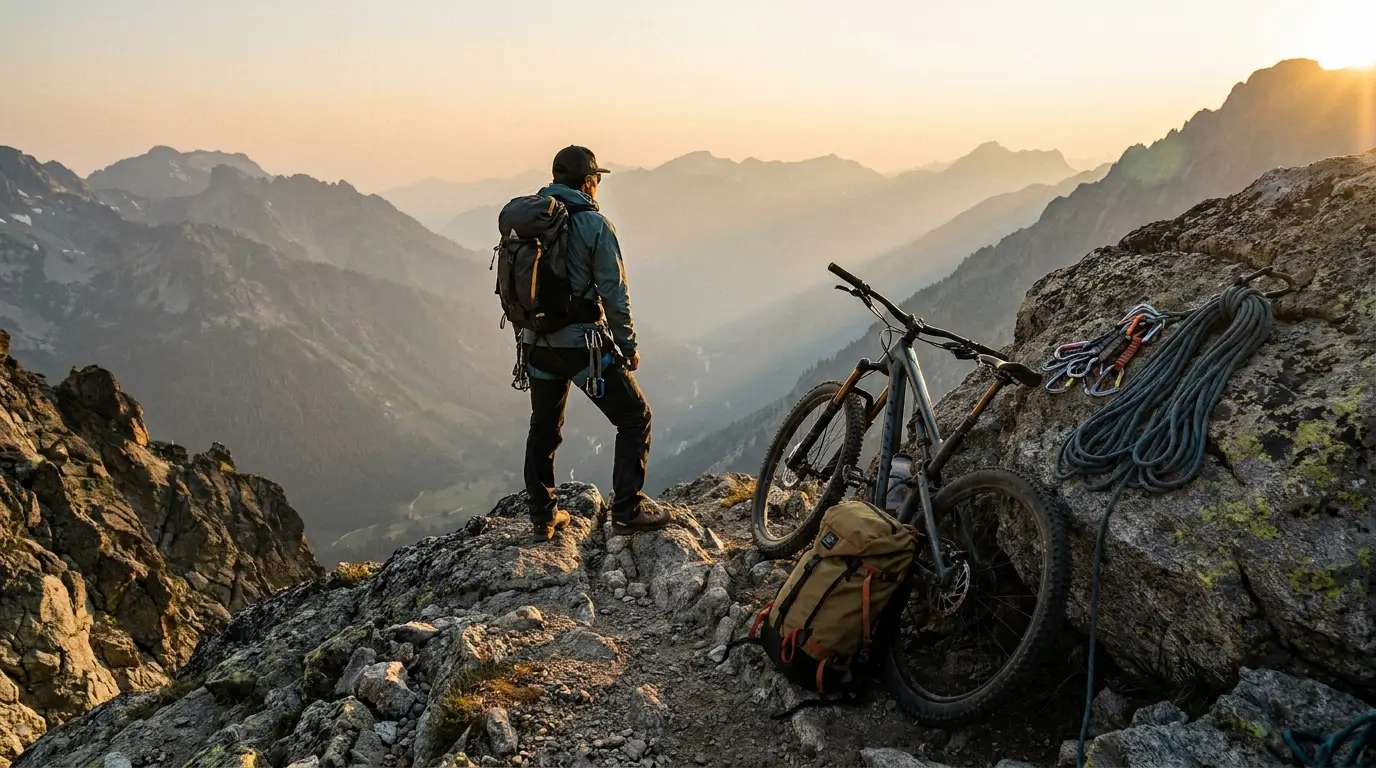
Standard travel policies are great in theory, until someone sprains an ankle 4 miles up a trail in the backcountry. Plans are mainly for regular trips involving lost bags, flight cancellations, and normal ER visits to large urban hospitals. To them, anything to do with a climbing rope, going up or down, or open ocean swells is reckless and they just shrug off the bills that are left on their hands.
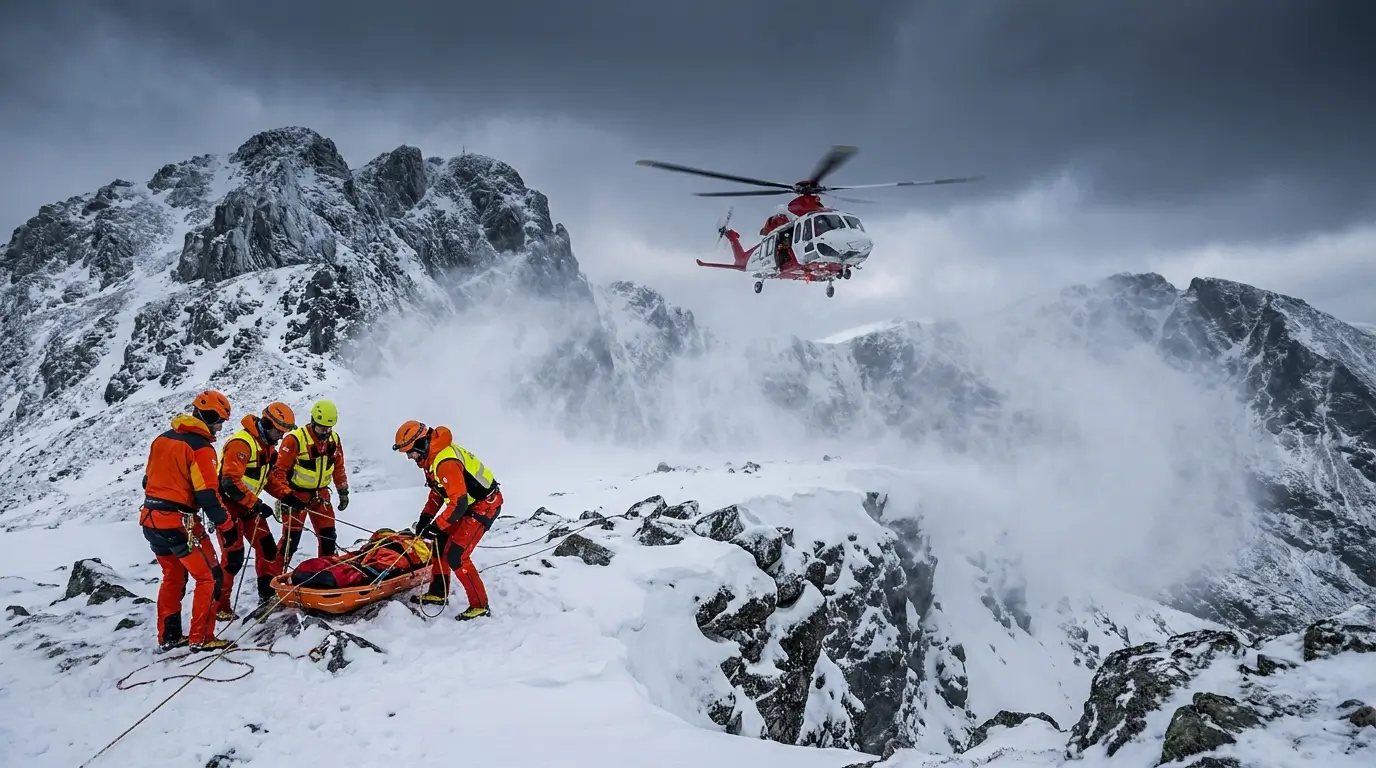
Specialized adventure plans cover the backcountry, field logistics, and the risk of severe injuries that the average vacation underwriter does not. You’re not going to get a ride home in the city ambulance, so it’s a medical evacuation experience you must have. One private helicopter ride in the Andes, the Southern Alps, or the Rockies costs over half of thirty thousand dollars out of pocket.
Also Read: How to Apply for a Tourist Visa Online 2026
Also, traditional health insurance policies from your home country don’t generally provide coverage for international search and rescue operations. Adventure insurance is insurance that covers that potentially risky gap. It provides assistance when your local emergency service gives you an itemized bill for fuel, search teams, and specialized trauma care. When an adventure expedition goes awry, it’s important to know how to avoid your savings being lost in the process.
World Nomads: Flexible Plans for Backcountry Trekkers and Nomads
World Nomads is a household name in the travel insurance industry when it comes to covers for those who travel from country to country with no fixed destination. They have two plans: Standard and Explorer, with hundreds of activities from scuba diving down to thirty meters, through to whitewater rafting on Class IV rapids. You can purchase or renew your policy online, even in a remote mountain hostel, relieving of massive logistical headaches for spontaneous travellers.
It is best for backpackers, multi-sport enthusiasts, and digital nomads that require medical coverage plus coverage for their gear, including cameras, snowboards, and laptops. They can accommodate a combination of Bali, hiking the Annapurna Circuit, and hiring a dirt bike in Northern Vietnam with little hassle.
The drawback is that they have limited activities and long claim processing. Please be aware that the specific definitions of these activities is crucial; trekking above 6,000m or technical mountaineering involving ropes and crampons is not included or must be specifically added on the activities. They also require a lot of receipts, original pieces of gear invoices, and official police reports from their claims department, which can make getting your pack back if it’s stolen from the bus depot into a nightmare.
Global Rescue: The Gold Standard for True Wilderness Evacuation
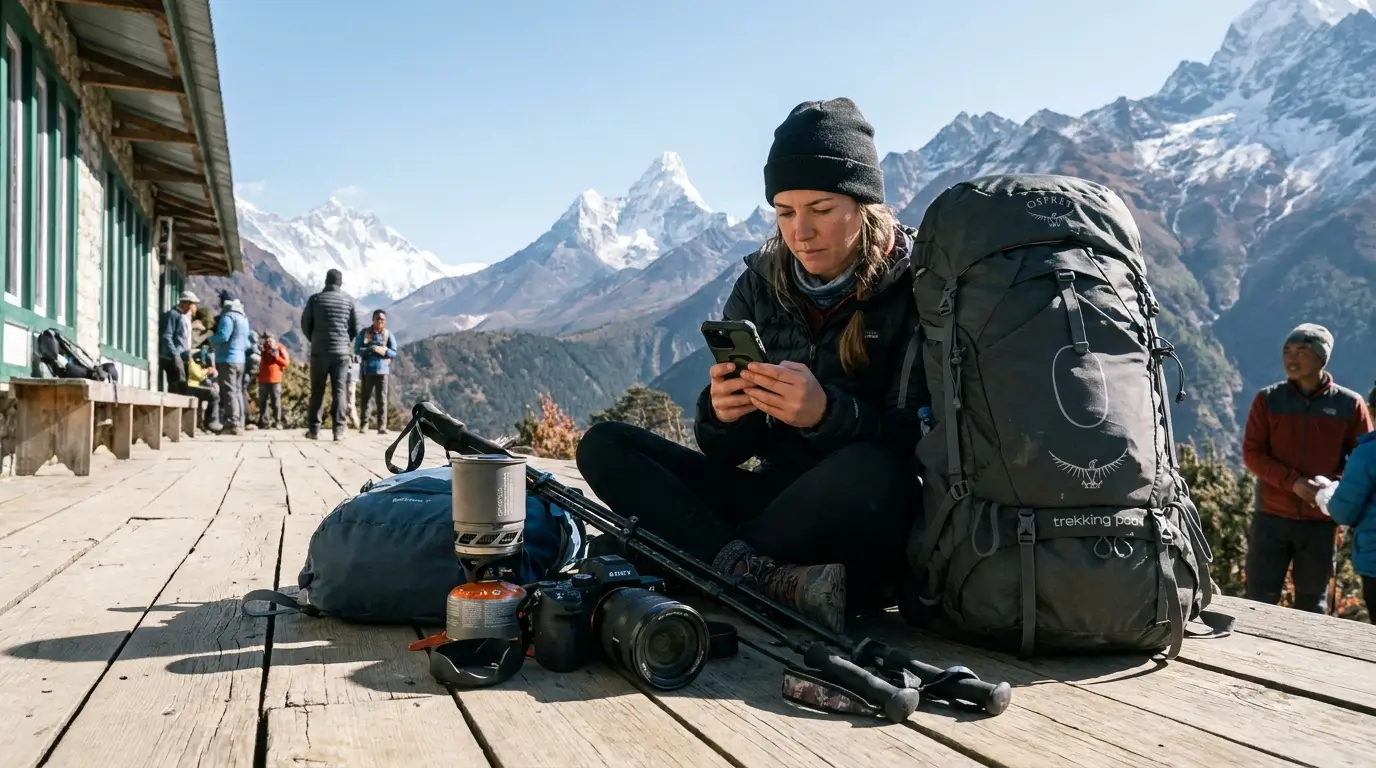
Global Rescue is a field rescue and crisis response service which works to a different level to insurance companies. They have their own teams of operations personnel and contracted medical helicopters ready and waiting at your GPS location, rather than waiting months for you to be reimbursed. They’re the ones who coordinate all aspects of the extraction, if you fall while splitboarding in remote Alaska or hiking and trekking in the Karakoram Range.
For hardcore mountaineers, remote expedition leaders, and backcountry skiers who go completely off the grid, they should choose this service. They are distinguished by their hospital-of-choice transportation method: they do not leave you at the nearest rural clinic but in your home hospital. It’s all the better when you need a complicated orthopedic procedure or weeks of specialized trauma care.
But Global Rescue is not normal travel insurance, it is a crisis membership program. It includes transport and field rescue operations but will not cover your daily hospital costs or cover your cancelled flights unless you purchase it in conjunction with their secondary IMG Signature Travel Insurance package. The two-structure combination costs a lot more than typical vacation packages, but the field capability is a good reason for the price.
Ripcord Rescue Travel Insurance: Integrated Coverage for High-Risk Expeditions
Ripcord has established its reputation based on a policy that offers the complete medical, baggage, and trip cancellation coverage, in addition to serious rescue evacuation coverage. They have a staff of operations personnel, many of whom are former military special operations or wilderness paramedics, trained to handle some of the most serious emergencies in developing countries with Redpoint Resolutions’ assistance. Their coverage begins at the time of the injury and does not require you to go to a local clinic prior to evacuation coverage being available.
For big-game hunters, remote trail runners, and high-altitude climbers, who prefer a single provider for all their coverage needs, this one is perfect. These cover search and rescue, primary medical costs, accidental death, trip cancellation, and the protection of gear all in one go. In the event of illness at high altitude in South America, their cadre of specialists will look after you from the high elevation litter carry to the hospital admission.
You can count on spending a lot for that kind of assurance. Ripcord is at the extreme end of the price scale and it’s way too much for Colorado’s weekend resort skiers. Besides, the pre-existing conditions exclusions in their policies must be strictly followed and are subject to windows of purchase—meaning that you should purchase your policy as soon as you pay your initial trip deposit for the best benefit.
Allianz Global Assistance with Adventure Tiers: Budget-Friendly Resort Adrenaline
This is a simple case of having enough money to enjoy the resort without bankrupting the nation of Switzerland. This is pretty much one of the easier-to-solve examples of resort adrenaline and budget-friendly Switzerland.
Allianz offers an easy way for those who take the summer off in the known confines of recreation. They can be easily added to flights and resorts that include familiar vacation sports such as guided ziplining, recreational snow skiing, and paddle boarding for vacationers. They have an extensive domestic and international medical network, allowing them to make direct payments at many leading private hospitals around the world without the hassle of claims documentation.
Also Read: How to Choose the Right Travel Backpack 2026
It’s a great place for weekenders, resorters, and families to explore outdoor activities for the first time. A case in point is if you get hurt on a groomed ski slope in Whistler or get a coral cut while snorkeling in Cozumel, Allianz gets the medical bills done in a hurry without depleting the savings account.
Allianz is not suitable for unguided backcountry excursions, high altitude mountaineering, or extreme white water kayaking. Hazardous activity exclusions are imposed on their policies, which ban unguided off-piste skiing, free soloing, and amateur competitive sports. Once outside resort boundaries or if there are any posted safety warnings, your coverage is automatically cancelled and you will be responsible for all rescue and medical costs.
Key Factors to Check in Travel Insurance for Adventure Sports Enthusiasts
When things go wrong on the trail, fine print evaluation ensures you will not land in hefty medical bills. Insurers have jargon to restrict their payout, and if you don’t know one of the terms, you are left with no financial protection.
Before adventure travellers book cover for an upcoming adventure trip, be sure to go through these crucial coverage details:
- Elevation limits of 3,000, 4,500, and 6,000 metres above sea level.
- More point-of-injury evacuations than transport between licensed medical facilities. Greater number of ‘point of injury’ evacuations as opposed to transport between licensed medical clinics.
- Funded search and rescue coverage if local authorities are not able to maintain search missions.
- Specific clauses of the requirement for certified guides, safety equipment, or a required buddy system.
- High gear reimbursement limits for single items such as expensive climbing racks, bikes, and optics.
When checking the exact wording around unguided activities, there will be no nasty surprises later. There are many policies that say that they include backcountry skiing, but a long fine print with a clause that it should only be done with a certified mountain guide. If you go skiing in a backcountry bowl with a group and trigger an avalanche, all claims will be denied. Read this policy declaration page with care and caution before getting off the cellphone and putting on the boots.
Frequently Asked Questions
How Much Does Travel Insurance for Adventure Sports Enthusiasts Typically Cost?
The comprehensive action-sports coverage will probably cost you eight to twelve percent of the total cost of the trip. Resort-based one-way trips are roughly about a hundred dollars, and hardcore mountaineering trips that include unlimited medical evacuation and high altitude clearance can cost from three to six hundred dollars per month.
Does Regular Credit Card Travel Coverage Protect Extreme Sports Injuries?
Almost never. Typically, credit card insurance will cover the loss of luggage, delayed flights, and minor trips to the emergency room in metropolitan areas. Some activities considered to be high risk, such as rock climbing, scuba diving, off-piste skiing, and whitewater rafting, are specifically excluded by credit card underwriters. Using credit card insurance for backcountry trips makes it an unsafe financial burden.
What Is the Difference Between Medical Evacuation and Search and Rescue?
SEARCH AND RESCUE is used to find teams, helicopters, and tracking dogs to search for and rescue people lost or trapped. MEVAC only begins after emergency responders find you and transport your injured body to an appropriate hospital. BOTH are necessary as one does not pay for the other.
Will My Policy Pay Out If I Participate in an Unguided Adventure?
This is solely subject to the wording on your policy. Some insurance companies require that the activities such as mountaineering, backcountry ski touring, or deep cave exploration be conducted by a certified and commercially licensed guide. If you only go out with friends or you go by yourself, and you should not assume the clause, the company can instantly refuse your injury and extraction claims.
How Does an Altitude Limit Affect Mountain Trekking Coverage?
Insurers have very rigid elevation limitations, typically at 3,000, 4,500, or 6,000 metres above sea level. Any medical and evacuation benefit is lost the moment you step over your plan limit. The policy elevation cap must be matched to the highest pass or summit on the route you plan to take.
Conclusion
When you spend the extra few minutes to make sure your policy matches your itinerary, it’s a minor inconvenience that wouldn’t be a financial disaster. Get the coverage you need, verify your elevation restrictions, and venture into the wild with confidence! Where’s your next wild journey?



[…] Also Read: Travel Insurance for Adventure Sports Enthusiasts 2026 […]
[…] Also Read: Travel Insurance for Adventure Sports Enthusiasts 2026 […]