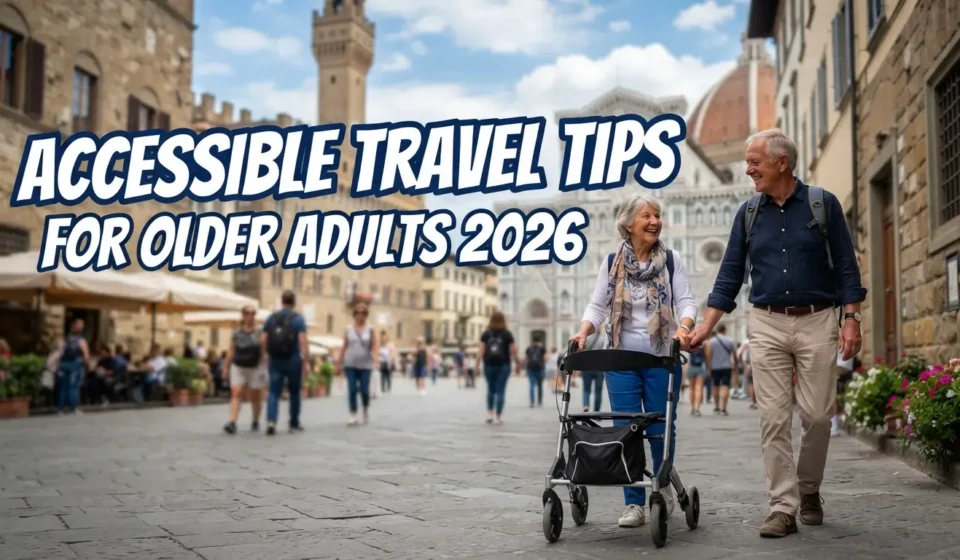

Accessible Travel Tips for Older Adults
Accessible travel tips for the elderly shouldn’t be like a puzzle before heading to the luggage area. Excitement can be sucked out of a great vacation by cobblestone streets, huge airport terminals, and steep stairs at the hotel. This came to me after I saw my parents at a train station without ramps. A comfortable and smooth trip each and every time.
1. Request Airport Wheelchair Assistance During Booking
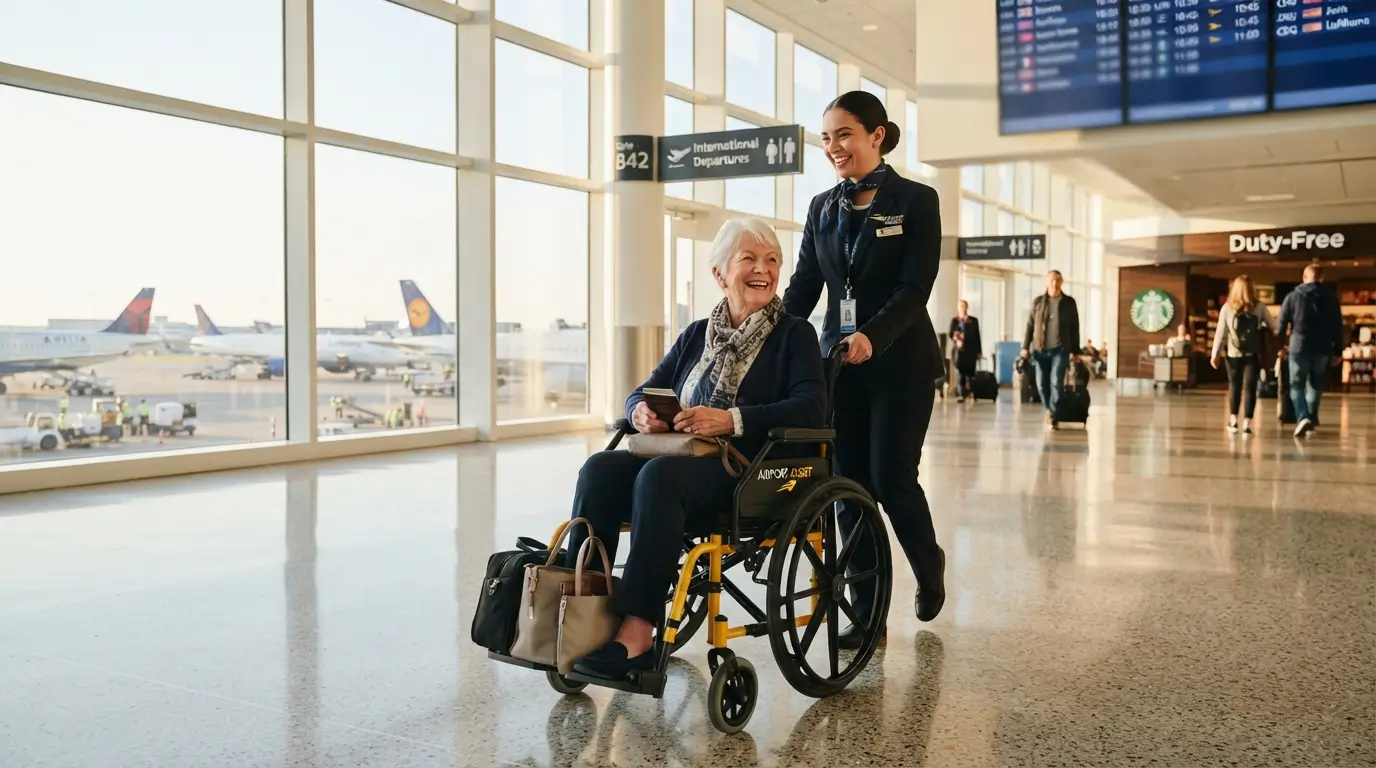
Booking prior airport transit assistance eliminates the physical “race” to distant airport gates. Airlines are equipped with their very own staff to push you into your seat, walk you to the security lanes and take you straight to your seat. This service allows you to conserve your energy for the trip and not the walking to and from the terminal.
When booking flights on Delta or United, be sure to choose wheelchair assistance. Please make a special assistance reservation 48 hours before the flight is scheduled to depart to confirm the reservation. A friendly airport attendant will wait at the curbside check-in with your assigned chair.
2. Call Hotels Directly to Confirm Room Layouts
Avoid making a room reservation based on online filter buttons only. Many online travel agencies classify rooms as handicapped accessible even if they have high walls to the baths or a heavy sliding door. You will be able to talk with the front desk manager directly and make sure that the room fits your physical requirements.
Also Read: How to Plan a Safe Trip for Elderly Travelers 2026
Request a built-in roll-in shower with grab bars and handheld shower head. Ask to be assigned a room on the ground floor, near the elevator to reduce walking around the hallways. Write down the clerk’s name who checks these features before the transaction is complete.
3. Pack a Lightweight Folding Walking Cane or Seat
A fold up perch on a portable walking stick can make any visit to the museum or long walk through the city completely different. Walking in the slow entry lines is very hard on the lower back muscles and knees. An immediate seat implies that you will not need to scramble for an open seat.
Check for a lightweight aircraft aluminum folding seat on the cane. Sleek brands such as Ta-Da insert sticks into stable chairs within 2 seconds. Pack it in your carry-on to get a good night’s sleep if your tour is delayed.
4. Rent Mobility Scooters at Your Destination City
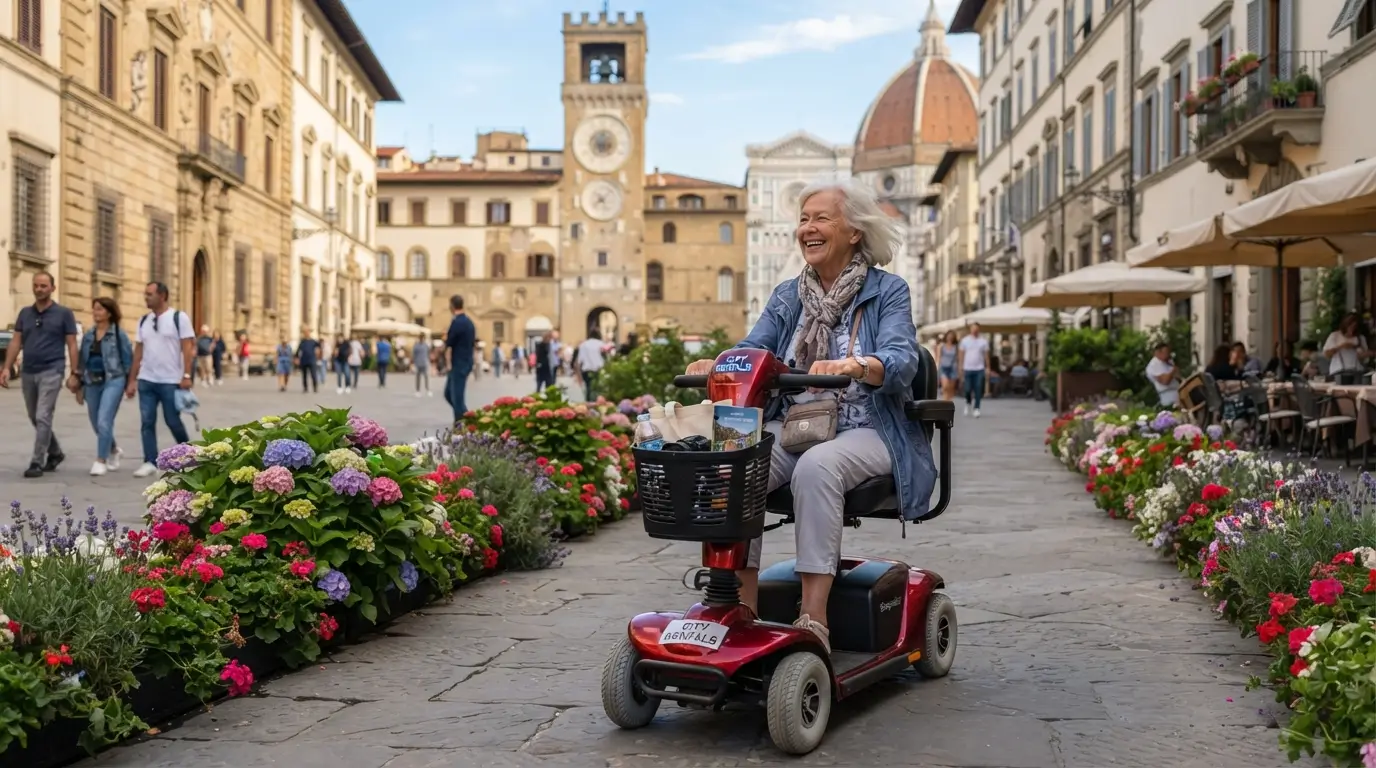
Using personal mobility devices for transportation through airports can result in damage to the device, and cause stress in the traveller. Local hire offers you brand new scooters right from your hotel. You can visit theme parks, historic areas and botanical gardens without getting tired and still enjoy yourself.
Phone specialized firms such as Cloud of Goods or Scootaround, in advance, for your departure date. They leave your scooter at your hotel after they charge it, and pick it up at the end of your trip. You have side-street transportation where the airline attendant does your carrying, and you don’t have to worry about shattering your personal belongings.
5. Secure Comprehensive Medical Evacuation Coverage
These are both typical exclusions found in standard travel insurance policies, which usually do not cover pre-existing medical conditions or emergency medical transport. A vacation abroad can quickly turn into a nightmare due to high medical costs at overseas hospitals. Having a specific supplemental health insurance policy means that you save not only your life but also your finances.
Get a separate health insurance from a company such as MedjetAssist or Allianz Global Assistance. In the event of a serious illness while you’re away, these plans ensure that you are transported back to your home hospital. Have a paper copy of your policy number with you at all times in your daypack.
6. Accessible Travel Tips for Older Adults on Public Trains
One advantage of travelling by train is that you can enjoy scenic views without worrying about the traffic and commotion on busy roads in other countries. The rail systems in Europe and Japan are step-free platforms with ample room on the train and designated older passengers’ seating. Use trains as a way to get a good stretch whenever you need it to help loosen up any stiff joints.
Take advantage of wider seats and luggage racks closer to the doors on rail lines such as Amtrak or Eurail and opt for first class tickets. Ask for station help at check-out time, in order to be directed to use the luggage board. Travel tips for older adults are easy to follow and help ensure a hassle-free, enjoyable intercity trip.
7. Schedule Dedicated Rest Windows Every Afternoon
If you do too much sightseeing, you will become very tired, have muscle pain and get irritated. Taking your time in the day allows you to rest between morning visits and evening meals. An easy pace allows you to enjoy each and every historic site visited.
Set aside two hours in the afternoon to take a peaceful nap, read or enjoy a coffee break. Schedule challenging hikes before lunch, when you have more energy in the morning. This is a basic pacing technique to make long absences from home abroad a sustainable and enjoyable experience.
8. Switch to Four-Wheel Spinner Luggage
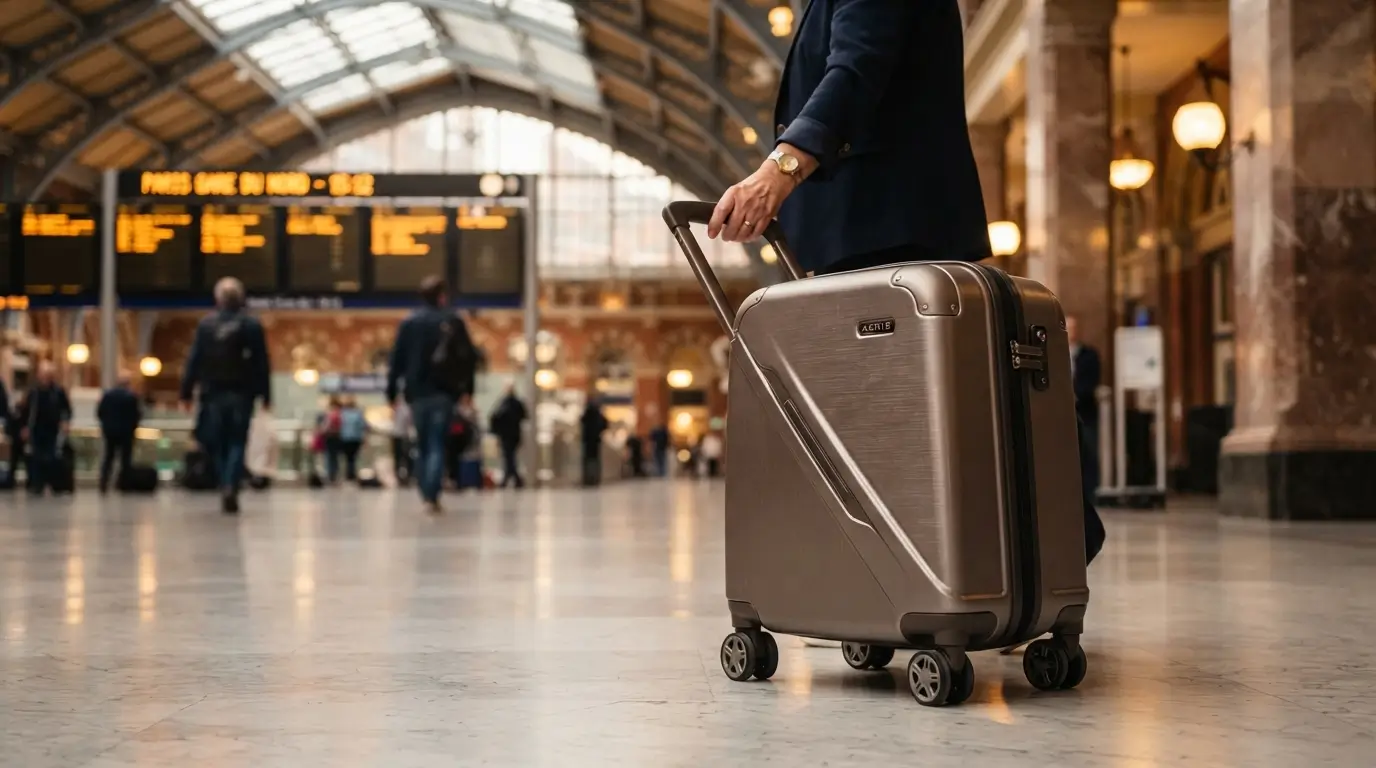
Lifting and dragging of the traditional two-wheel roll suitcases will strain your shoulders and wrists. Today’s spinner suitcases move vertically when you move them with virtually no pressure. This mechanical advantage helps to avoid any joint inflammation during long cruise terminals and hotel corridors.
Opt for super-lightweight hardside cases, such as Travelpro or Samsonite. Try to find models with two spinner wheels and ergonomic handles. You will thank your back after you walk through the crowded trains platforms and wet tiles of airport.
9. Organize Prescriptions in a Dedicated Travel Organizer
It can be challenging to handle everyday medications across time zones and hectic itineraries when traveling internationally. Without proper doses, it may very soon develop unwanted health problems while away. Clear and well-organized storage of medications avoid daily confusion and maintains good health.
Pack for a week, use a moisture proof, 7-day pill organizer and keep an extra week of pills in your carry-on bag. Always have medicines in prescription drug bottles and with the official doctor labels. Make a photo of each prescription on your phone to serve as a reference.
10. Hire Private Local Guides for Custom Walking Paces
When it comes to group tours, there are a lot of times when people are put into a schedule and forced to take a brisk stroll with other people. A private local guide adjusts the pace of the day as you are physically comfortable and what you are interested in doing. They are familiar with the quickest ways to get through, how to find hidden areas in the elevators, and the quietest rest benches in town.
Plan private walking tours on reputable sites such as ToursByLocals from where you are. Let your guide know from the start if you have any mobility preferences, they will arrange for level walking paths. Practical tips for older travellers such as these ensure a bespoke cultural journey.
11. Download Accessibility Navigation Apps Before Departure
Manual wheelchairs and walkers can become trapped in cobblestone alleys having steep curbs. Digital access maps identify step free sidewalks, ramp access and public elevators in working condition. Excessive detours around inaccessible routes are avoided by route checking.
Get the app from the crowd “Wheelmap” or the Google Maps layers for public transport onto your mobile device. The apps are designed to show people which amenities are accessible to them, including public restrooms, restaurants and museum entrances, in thousands of cities worldwide. By the way, you should test the application in your town first so that you get to know the app interface before traveling!
12. Select Small-Ship or River Cruises for Easy Boarding
Four thousand passengers need to be able to walk miles in the interiors of giant ocean liners to get to the dining rooms and theaters. River cruise vessels offer closets that are very intimate, with your stateroom only a step away from the main lounge. These vessels moor right in the heart of these historic cities, without the long tender boat transfer.
Consider going on a small river cruise that has elevators between decks, such as Viking River Cruises or AmaWaterways. Ensure that shore excursions offer a choice of walking routes that are not too strenuous and provide audio headsets for clear guidance. Enjoy a rich experience of local history without having to deal with tiring shuttle bus lines.

13. Choose Flat Neighborhoods for Your Hotel Base
It’s romantic to book a room at the top of a vista-sweeping hill, but come time to get back up the hill, it is not. Living in flat and pedestrian districts makes cafes, pharmacies and taxi stands all within easy reach. This option will leave you with energy for exploring the city rather than walking back to your bed.
Before making any hotel deposits, use Google Street View to check out your neighborhood of interest. Check for curb cuts, ground-level access to public transportation and smooth sidewalks. These are some clever travel hacks for the over 60 population to make everyday travel on your city breaks easier.
14. Wear High-Cushion Orthopedic Walking Footwear
Hard stone plazas will cause plantar fasciitis to flare up and cause swollen joints if not supplied with appropriate shoes to provide support. Ergonomic walking shoes cushion impact and promote correct foot posture for extended museum outings. With the right shoes, your feet will stay fresh from breakfast to dinner in the evening.
Also Read: Top Senior Friendly Cruises for Retirees 2026
Buy supportive shoes from reputable brands such as Hoka or Orthofeet that have wide toe boxes and grippy soles. Rent them for short walks around the neighborhood for at least 3 weeks before you leave. IMO, the most important part of a pleasurable trip is a comfortable foot.
Frequently Asked Questions
How Far in Advance Should I Request Airport Wheelchair Assistance?
Please inform your airline at least 48 hours before your intended flight. Most major carriers provide an option to choose it on the booking screen when booking online. Two days prior to your travel, you have already made a request by calling your carrier’s customer service (CS).
What Are the Best Accessible Travel Tips for Older Adults Flying with Oxygen?
Always bring an FAA approved portable oxygen concentrator, with a battery life of one hundred fifty percent of your flight time. Arrange forms for medical clearance with airline special assistance desk 2 weeks prior to travel. Always have doctor’s prescriptions in the personal carry on bag.
Can I Rent a Mobility Scooter for a Cruise Vacation?
Yes, you can book a scooter rental from the authorized cruise rental companies such as Special Needs at Sea. The motorized scooter is delivered right to your cabin before you embark on your cruise. Simply be sure to reserve an accessible, wide door cabin with no thresholds for storing the unit safely.
How Do I Find Barrier-Free Public Transportation in Foreign Cities?
Download maps of the public transit system of your destination city from the official site. Some apps, such as Citymapper, also include stair-free routes that will direct you around where there are stairs and broken elevators. If you’re not sure, contact your hotel concierge to arrange for accessible taxi services with wheelchair access.
Does Medicare Cover Medical Emergencies During International Travel?
Standard Medicare is not designed to cover health care costs outside the United States and its territories. Limited emergency coverage is available in Medicare Advantage or Medigap plans that are offered privately, but it’s not the norm. The best protection is to take comprehensive travel medical insurance with emergency evacuation coverage before you go out of the country.
Conclusion
The world should be an exciting comfortable journey irrespective of age. With the proper preparation and proper gear, you can find amazing destinations without any worries. What is the most exciting place you’re planning to visit this year?



[…] Also Read: Accessible Travel Tips for Older Adults 2026 […]