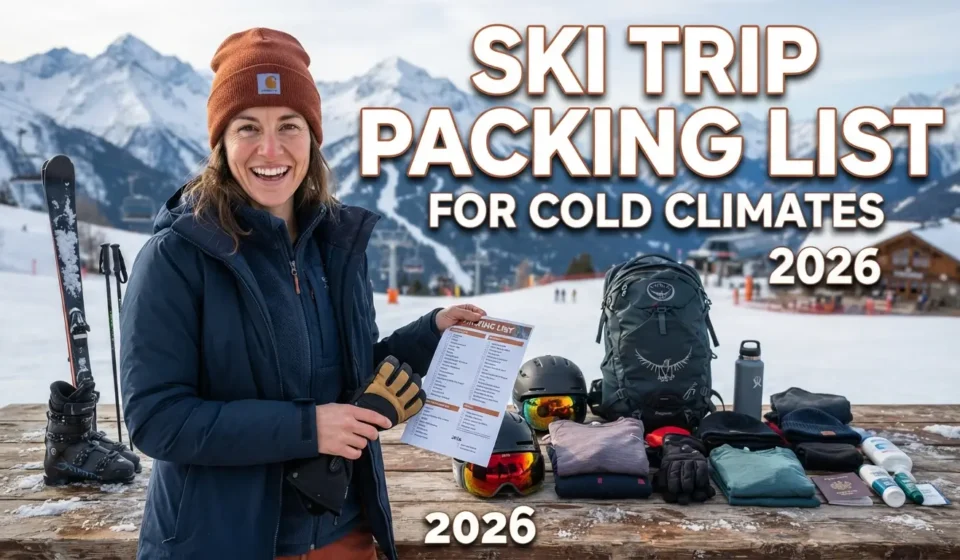

Building a Solid Ski Trip Packing List for Cold Climates
The key to a great week on the slopes is a good ski trip packing list for cold weather. The first time I had to deal with the cold winds was in Big Sky, Montana, where they went into the negative 30’s and I wore cotton base layers like a novice. It was that trip that forever changed how I pack. I’m now carrying no more, no less.
1. Base Layers That Actually Work
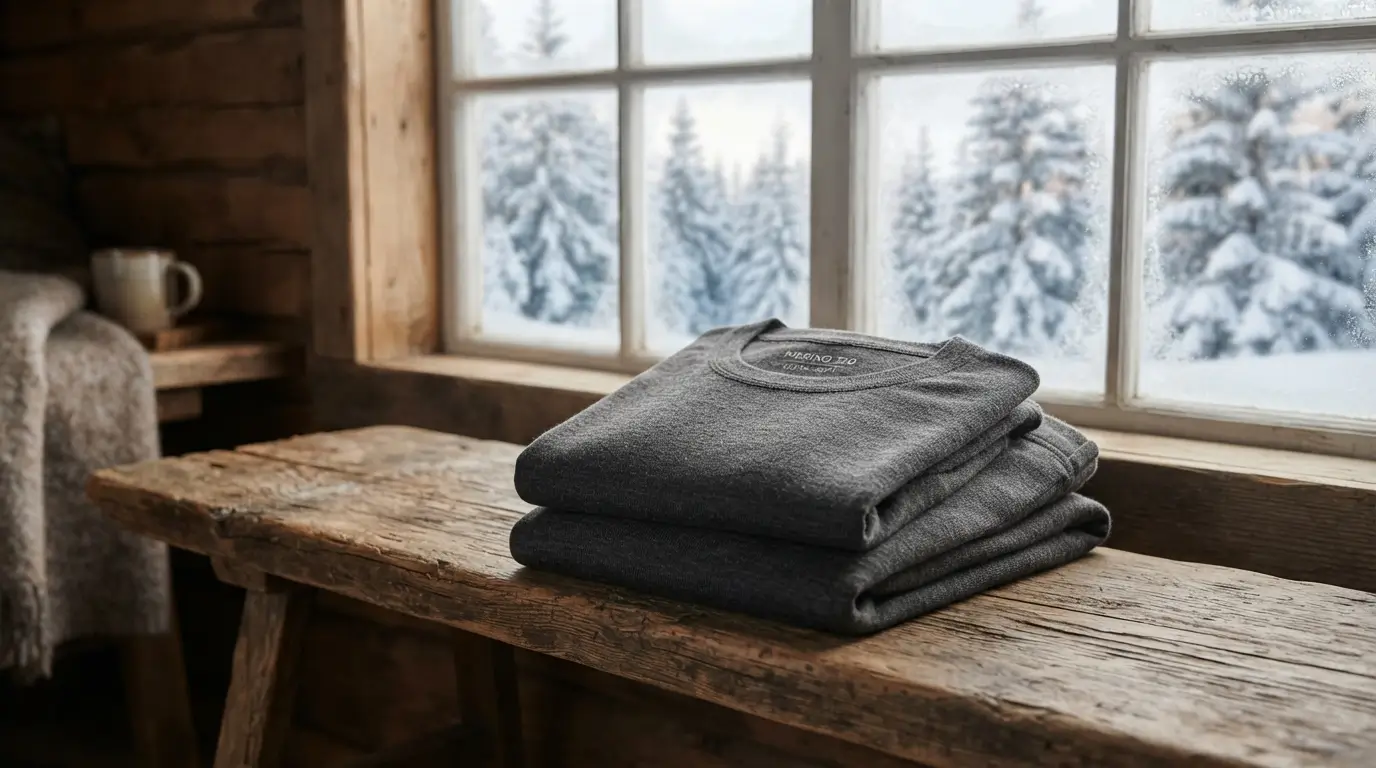
The base layer is the bottom layer. If you do it wrong there’s no amount of outerwear to save you. Skip cotton entirely. Absorbs sweat, keeps it against your skin and makes you a shivering mess before lunch.
The ultimate of wool is Merino. For really cold days, I use Smartwool tops and bottoms which are 250 weight! They keep warm, they suck up moisture and somehow don’t smell after many days of hard skiing. Synthetic Patagonia Capilene is also very effective, particularly when wool causes itchy sensations. Always bring two packs, for when one is wet, the other is dry. One to ski, one while the other is getting airtime.
2. Mid Layers for Warmth Without Bulk
This is where most people go over or don’t get it at all. A great mid layer keeps you warm but doesn’t make you look like the Michelin Man. Bulk is your enemy, you need to be able to move around on the slopes freely.
A thin fleece or down jacket is ideal for this. I always use the Patagonia Nano Puff: compact, lightweight, and packs a lot of warmth. On very cold (below zero) days I’ll wear a fleece under the puffy. On a nice warm Spring day I’ll discard all the middle layer. Options are more important than one perfect piece. Pack 2 mid-range temperature jackets, and you’ll be prepared for all of the mountains have to offer.
3. Ski Jacket and Pants
The outside layer repels wind and snow. That’s its main purpose. It’s not necessary to have the most expensive ski jacket in the rack, but it is essential that it’s waterproof and breathable and sealed seamed.
Also Read: How to Plan a Budget Ski Trip 2026
My 5 year old Arc’teryx Sabre jacket is still in great condition. Is it pricey? Yes. Worth all the money? Also yes. When budget is a concern, consider brands such as 686 or The North Face for good choices at less than $300. For pants, make sure they have reinforced cuffs and built-in gaiters. Ventilation zippers on jacket and pants will come in handy when you are climbing a ridge or the afternoon sun peeks out. For serious cold climate skiing, check the waterproof rating is at least 15,000mm.
4. Ski Socks (Not Your Regular Socks)
Do not wear thick cotton tube socks in ski boots, PLEASE. This is the biggest error that beginners make. Your feet will be sweating, there will be water building up in the bottom, and in an hour, your toes will be numb.
This means you want thin merino wool ski socks. Darn Tough and Smartwool have great ski boot options. They are thin enough to allow your boots to fit comfortably and also remove moisture from the feet. One pair per ski day (plus one extra). I also add a couple of warm casual socks to add in the evenings around the lodge. There isn’t such a thing as being too cold after a long day of skiing, and thick wool socks and slippers take away the pain.
5. Gloves and Mittens
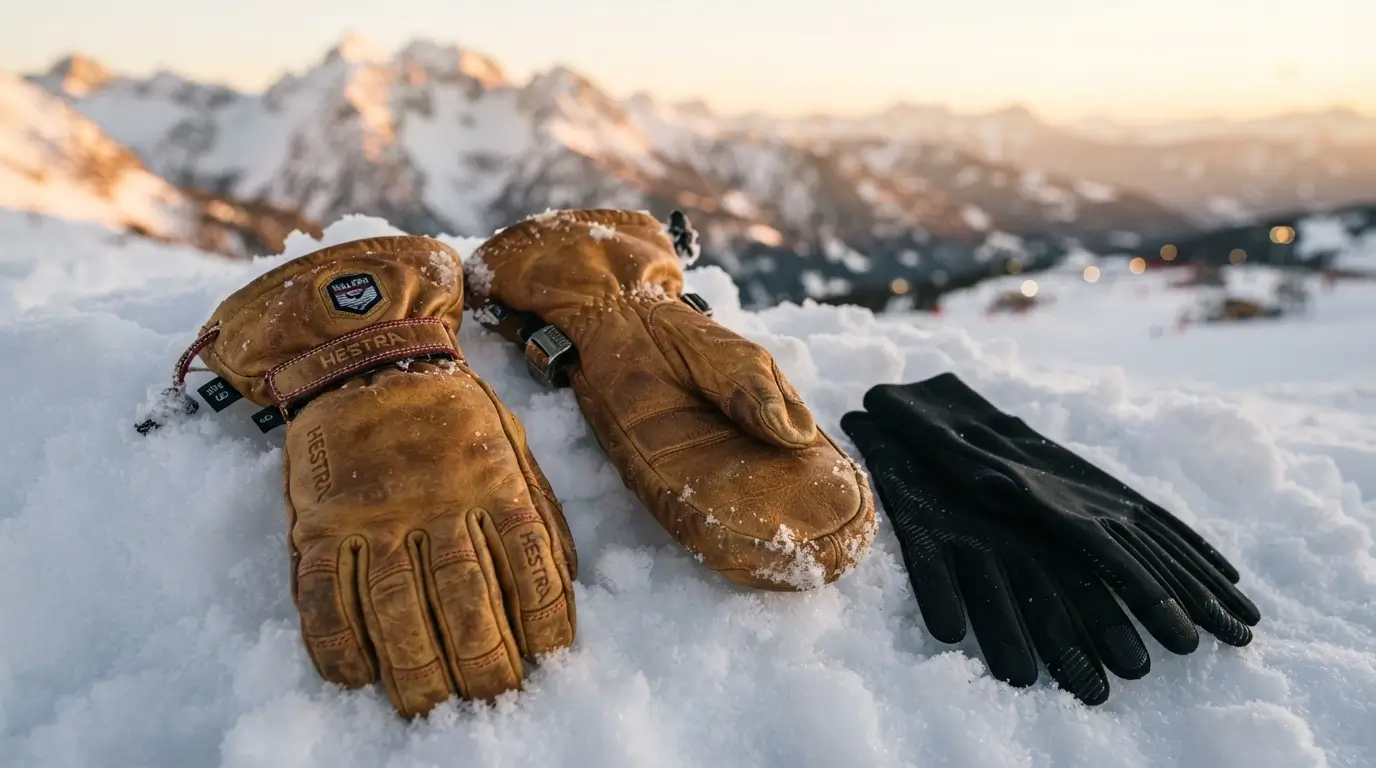
The most damaged items on a ski trip packing list for cold weather are your hands. Gripping poles work against you, as do wind, snow. I wear two pair, insulated ski gloves for when it is moderately cold, and heavy duty mitts when it is really cold!
Wearing mittens is warmer since they share body heat, while gloves provide more dexterity. Hestra is one of the best ski glove manufacturers in the world, and their leather ski gloves last the longest of any ski gloves on the market. For the budget-conscious shopper, a pair of Kinco leather work gloves that have been treated with Nikwax waterproofing is a classic backcountry ski hack. Always carry thin liner gloves as well. They allow the use of your phone and adjusting of gear without exposing bare skin to the cold.
6. Helmet, Goggles, and Face Protection
There is no more talk at this stage of the year about a helmet. Brain injuries on the slopes are very real, and modern helmets are not only lightweight and warm, but can be swapped out for a beanie during a ski day. Smith and Giro both are great choices with adjustable venting.
Goggles must be compatible with lighting conditions. A variable tint lens or quick change system will prevent you from squinting through flat light. On days when the conditions change, I have a second lens in my jacket pocket. In colder climates a balaclava or neck gaiter is a must for the face. The Buff brand merino wool gaiter is thin, breathable and does not fit your neck and lower face like a mask. Exposed skin can be frostbitten in minutes on negative degree days. Cover everything.
7. Hand and Toe Warmers
These small chemical heat packs are virtually costless and can save a very cold day. In my ski bag I always have a few HotHands warmers. Put one in each glove and one on each foot on top of your boot. They can be used for approximately eight hours and generate a gentle heat. Then I’ll sometimes put one in my jacket’s chest pocket, close by my heart. If disposable packs aren’t your thing, the rechargeable electric models from Zippo are a great option as well. Purchase 20 pairs of gloves in a box before you leave. You will be using them more than you realise and your skiing companions will want them all the time!
8. Après-Ski and Lodge Clothing
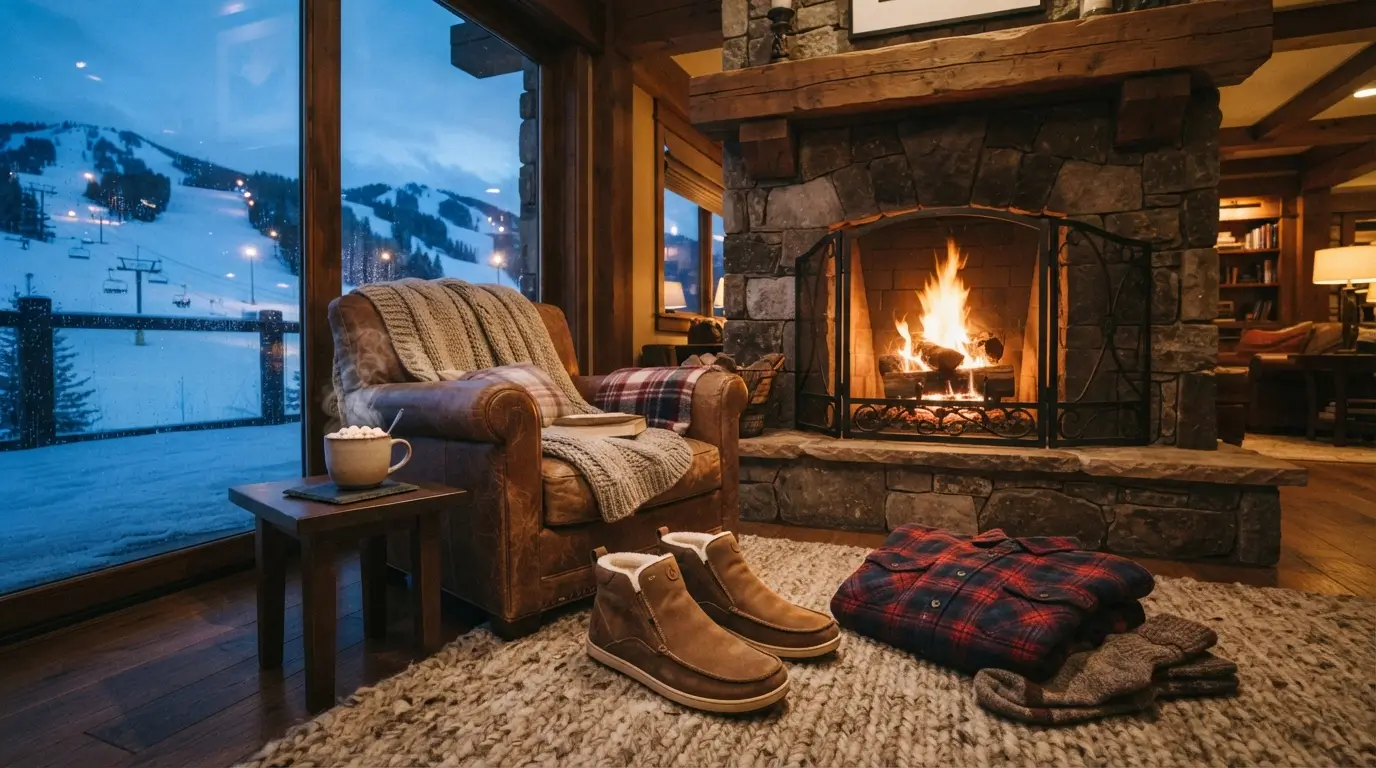
When the lift service ends you don’t want to be around in sweaty ski wear. Bring a small bag of warm, cozy clothing for nights. A pair of jeans or joggers, a cozy flannel or hoodie and a warm casual jacket for walking from the lodge to the restaurants.
I always have a lightweight down jacket in addition to ski shell for this. When your legs are tired, slip-on boots or insulated shoes that you can slip on without lacing up are a lifesaver. A casual pair of warm gloves over this, and a beanie to wrap it up. Keep this bag as simple as possible. You’re not there to go on a fashion show, you’re there to be warm and comfortable after a long day on the mountain.
9. Sun Protection (Yes, Even in Cold Climates)
Snow reflects up to 80% of UV rays and the higher the altitude the more the exposure to the sun will increase. Even though it was 15 degrees, I got the worst sunburn of my life on a ski trip to Whistler. My face was a week of tomatoes.
Slip on SPF 50 sunscreen before you go out in the morning to your face, ears and neck. Reapply at lunch. Lip balm with SPF is important too as chapped, cracked, sunburned lips are brutal. A quality pair of sunglasses can keep your eyes safe outside the ski area as well. Snow blindness is not a hyperbolic term; it is a genuine condition. Wear sunscreen as if it were a coat of armor!
10. The Little Things That Make or Break Your Trip
Other than the large equipment, a few little things set the tone for a smooth ride or a frustrating one. A boot dryer or newspaper inside boots at night will keep the boots dry and warm the next morning. For all-day sessions it is great to have a small backpack to carry water, snacks and extra layers on the mountain.
Bring ibuprofen for aching muscles, a reusable water bottle, as you get dehydrated quickly at altitude, and a ziplock bag to put your phone into in the event of snow. A small tool kit (or multi-tool) is useful for adjusting bindings while on the road. Another thing I don’t leave home without is a microfiber towel to wipe goggles with. These are items that are virtually weightless and take up no space, and always save me a day on the slopes.
What to Skip and Leave at Home
The ski trip packing list for cold weather ought to be brief and deliberate. Don’t pack the bulky cotton hoodies. Don’t take the “slack” pair of jeans that you don’t plan to wear. Don’t stuff a variety of clothes into a suitcase for each and every night.
Also Read: Top Winter Getaways for Families With Kids 2026
The same clothes will be worn several evenings after the party and will not be an issue. Don’t wear expensive jewelry or watches either. Rings and bracelets end up in liners of gloves and watches are scratched by the cuffs of jackets. Obviously, if you’re hiring ski equipment and boots at the resort, this saves a ton of space in your luggage. Just pay attention to packing the appropriate layers and accessories, and let the rental shop deal with all the heavy lifting.
Frequently Asked Questions
What is the minimum amount of base gear that I need to pack for a week long ski trip?
Pack 3 sets of base layers for a week-long adventure. Rotate them, using 1 set and letting the other air out overnight. Merino wool is naturally odour resistant so no new pair is required every single day. Three sets will provide you with just the flexibility you will need without over-packing your bag.
What should I add to my ski trip packing list for cold climates below zero?
For temperatures below freezing, consider adding a balaclava, heavy mittens, chemical hand and toe warmers and a second layer to your ensemble. Insulating your core, hands and face is essential when you double up. With the wind chill added to the temperature, frostbite can occur in just 10 minutes at those temperatures.
Are expensive ski jackets worth the investment?
Yes, up to a point. Get a top-quality waterproof, breathable jacket starting from $300 and it will be much better and last for 5 to 10 years when properly maintained, as compared to a $100 jacket. In excess of $500, you’re typically paying for an increase in brand prestige and minor enhancements. Spend your money on a good jacket and great base layers first.
Should I pack my own ski boots or rent at the resort?
One of the biggest investments you can make if you ski more than five days a year is having your own ski boots. Properly fitted boots can make a huge difference in terms of comfort, performance and warmth when compared to rental boots. If you ski only once a year, then it’s OK to rent, you have to arrive early so you can be sure to get the best choice.
How do I keep my goggles from fogging up in cold weather?
Please do not use the inside lens of the lens with your glove or fingers. This will compromise the anti-fogging treatment. Rather, allow them to air-dry or shake off excess water. Place them in your jacket’s body when removing them to avoid temperature shock. Good ventilation on the goggle and a dual pane lens fogs much less than a single pane goggle.
Conclusion
Having a well-prepared packing list helps to make a ski trip less stressful and more enjoyable. All of the items I mentioned here were acquired as a result of ‘mountain days’ and the items I told you to skip were earned by that designation as well. What is that one piece of equipment that you couldn’t ski without?