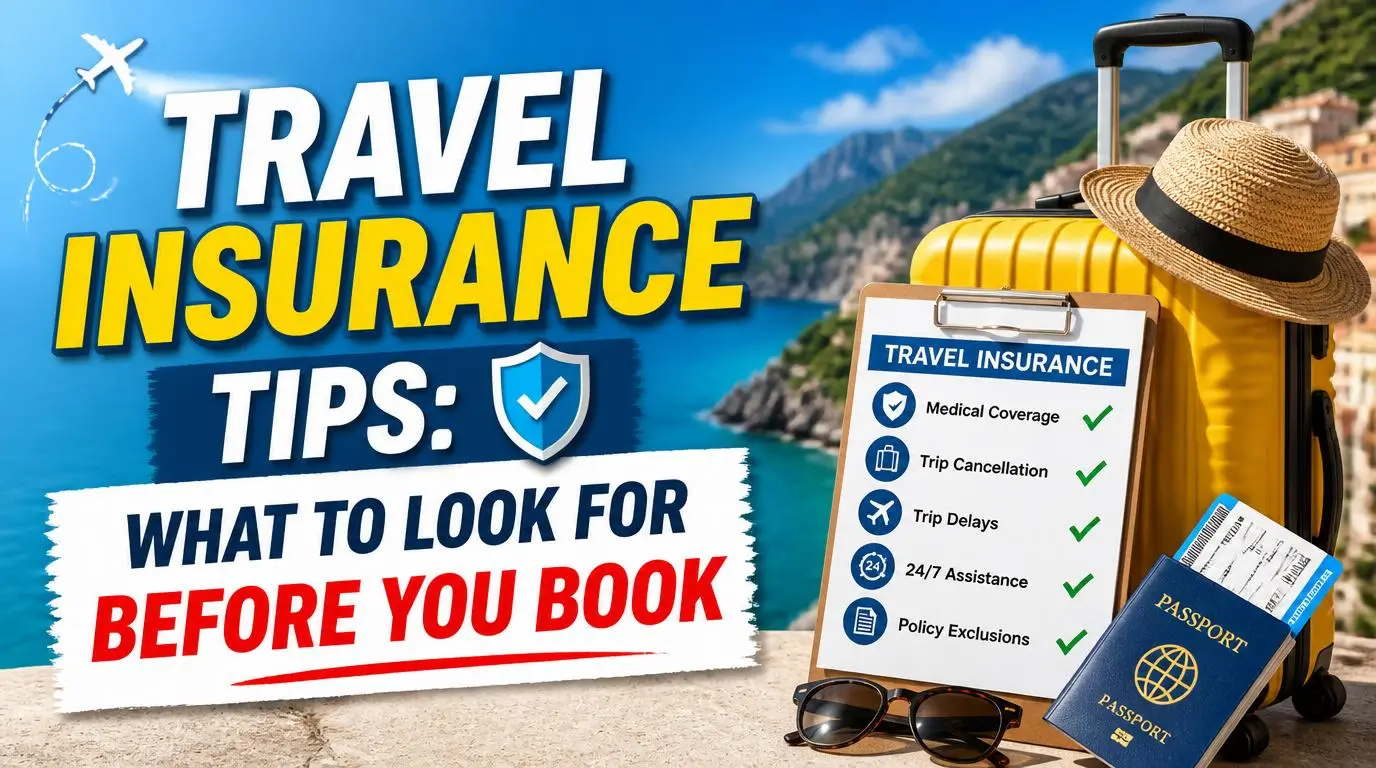

I learned what to look for in travel insurance the hard way. I stood in a Bangkok hospital staring at a $4,200 bill while my policy covered almost none of it. My so-called comprehensive plan was a joke. That moment completely changed how I buy coverage. You might have stared at a wall of policy options wondering which one actually protects you. Most people pick wrong because the fine print is designed to be confusing.
1. Understand What “Comprehensive” Actually Means
The word comprehensive gets slapped on just about every travel insurance policy. The actual coverage behind that label varies wildly though. Some plans include trip cancellation and baggage protection while skipping evacuation entirely. They still call themselves comprehensive. Pull up the full benefit summary before you buy anything. I use Allianz, World Nomads, and Safety Wing on a regular basis. Even across those three options, the word comprehensive means completely different things. Read the actual categories listed instead of just the marketing headline. A plan that covers $50,000 in medical but only $500 in trip cancellation is not truly complete.
2. Check the Medical Coverage Limits Closely
This part almost bankrupted me. Many budget travel insurance plans cap medical coverage at $10,000 or $25,000. That sounds like a lot of money until you need surgery abroad or an ambulance ride in a country without universal healthcare. A single night in a private hospital in Southeast Asia can blow right past those numbers. Look for a minimum of $100,000 in medical coverage for international trips. Healthcare costs are extremely steep in places like the U.S. or Japan. You should aim for $250,000 or more if you are heading there. World Nomads offers plans starting at $100,000 medical. I consider that the bare minimum for peace of mind.
3. Trip Cancellation Coverage Needs Specific Attention
Most people buy travel insurance specifically for trip cancellation protection. The problem is they never check what qualifies as a covered reason. Policies typically list specific situations like illness or a natural disaster. Jury duty and military deployment usually make the cut too. If your reason is not on that list, you are out of luck. This is where it gets tricky. Saying you changed your mind is never a covered reason on standard plans. Your boss refusing to give you time off will also get denied. You should look for a Cancel For Any Reason add-on if you want real flexibility. It usually costs about 40% to 50% more. That extra cost lets you recoup a good chunk of your trip cost regardless of why you cancel. I added this before a $6,000 Iceland trip and slept much better knowing I had a real safety net.
4. Look at the Exclusions Before Anything Else
I know nobody wants to read the exclusions section. The language feels intentionally confusing. This is exactly where insurance companies hide the stuff that will burn you later though. Common exclusions include pre-existing medical conditions. They usually define this as anything diagnosed or treated within 60 to 180 days before purchase. Extreme sports and alcohol-related incidents are also typical exclusions. Traveling to countries under government advisories will void your coverage too. A friend of mine had her scuba diving injury denied because her plan excluded adventure activities. She had not purchased the sports rider. Check whether your planned activities fall under the base plan or require an upgrade before you leave.
5. Travel Insurance Tips What to Look For in Emergency Evacuation
Emergency evacuation coverage is the thing you never think about until you desperately need it. A medical helicopter or air ambulance can cost anywhere from $25,000 to over $300,000 if you are injured in a remote area. That is not a typo. Your policy should cover at least $100,000 in emergency evacuation. Some companies like Medjet or Global Rescue specialize in this specific area. They will transport you to your home hospital instead of just the nearest adequate facility. The distinction between a local facility and a hospital of your choice matters enormously. I personally upgrade to Medjet memberships for trips to Central America and rural Southeast Asia. I recommend you do the same for anything off the beaten path.
6. Pay Attention to Baggage and Personal Belongings Limits
Baggage coverage sounds straightforward. The per-item limits will surprise you though. Most policies cap individual item reimbursement at $250 to $500. If your laptop or camera gets stolen, you are not getting full value back. The total baggage limit might be $1,500 or $2,000. Expensive gear is barely protected with those per-item caps. You should consider a separate valuable items rider if you travel with pricey electronics. A standalone gadget insurance policy from a provider like Gadget Cover works well too. I carry a mirrorless camera worth $2,000. Standard travel insurance would never cover its full replacement. Always keep receipts and photos of your valuables before you travel. Filing a claim without proof is a nightmare.
7. Pre-Existing Condition Waivers Can Save You Thousands
You need to understand how your policy handles pre-existing conditions if you have any ongoing health issues. This applies to everything from asthma to daily anxiety medication. Most standard plans exclude them entirely. Your insurer can deny your claim if your asthma flares up abroad and you need emergency treatment. Some companies offer a pre-existing condition waiver if you purchase your policy within 14 to 21 days of making your first trip deposit. Allianz and Travel Guard both offer this window. The exact timeframe varies by company. I have a buddy with Type 1 diabetes who swears by buying insurance the exact same day he books his flights. That habit has saved him twice on claims that would have otherwise been denied.
8. Compare Policies Using Aggregator Tools
Shopping for travel insurance policy by policy is exhausting. I spent three hours once comparing four different plans in browser tabs before I realized aggregator sites existed. Platforms like Squaremouth let you plug in your trip details and compare dozens of policies side by side. Squaremouth is my go-to for this. They show you the fine print differences clearly. They even have a zero complaint guarantee where they promise to step in if your claim gets unfairly denied. You can filter by coverage type or customer rating depending on what matters most to you. Spending 15 minutes on an aggregator site beats spending hours on individual insurer websites. You see the real differences fast.
9. Timing Matters More Than You Think
When you buy your travel insurance directly affects what you are eligible for. Most CFAR add-ons require you to purchase within 14 to 21 days of your first trip payment. Pre-existing condition waivers have similar time restrictions. You will lose access to the best benefits if you wait too long. I buy travel insurance the same week I book my trip. I do not wait until the day before departure. The moment I make a flight or hotel payment, I open an aggregator site and pick a policy. There is a practical reason for this. Trip cancellation coverage does not do you any good if you bought it after the event that forced you to cancel already happened. Policies only cover events that occur after the purchase date.
10. Read Real Customer Reviews and Claims Experiences
A policy can look fantastic on paper and still be terrible when you actually file a claim. The real test of any travel insurance company is how they handle the worst-case scenario. You need to know if they pay promptly or fight you on minor technicalities. Check Trustpilot and Reddit for unfiltered claim experiences. The r/travel community is especially honest about this. I researched Safety Wing before a four-month trip through South America. The mixed reviews about slow claims processing made me switch to World Nomads instead. That decision turned out to be the right call when I needed a dental emergency covered in Colombia. They processed my claim in 12 days and reimbursed 90% of the cost.
Frequently Asked Questions
Is travel insurance really worth the money?
Yes. A single medical emergency abroad can cost tens of thousands of dollars. Travel insurance typically runs 4% to 10% of your total trip cost. That is a tiny price to pay for protection against catastrophic expenses. I have filed three claims over 15 years of travel. Each one paid for decades of premiums.
What should I look for in travel insurance for international trips?
Focus on medical coverage of at least $100,000 first. You also want emergency evacuation of $100,000 or more. Make sure your trip cancellation has clearly listed covered reasons. Baggage protection is important too. Check the exclusions section carefully for pre-existing conditions before you commit to any policy. Adventure activity limitations are another thing to look out for in that same section.
Does travel insurance cover COVID-related cancellations?
Many policies now cover COVID the same way they would any other illness. Your trip cancellation benefits will kick in if you test positive and cannot travel. Fear of traveling during a pandemic is not a covered reason on standard plans though. You would need a CFAR add-on for that kind of flexibility.
Can I buy travel insurance after booking my trip?
You can buy it anytime before departure. Buying within 14 to 21 days of your first trip payment gives you access to the best perks though. This window includes Cancel For Any Reason add-ons and pre-existing condition waivers. The earlier you buy, the more protection you get.
What’s the difference between travel insurance and travel medical insurance?
Travel insurance is a broader product. It covers trip cancellation and baggage issues along with medical expenses. Travel medical insurance focuses only on healthcare costs abroad. Medical-only plans from Safety Wing or IMG are cheaper if you just need doctor and hospital coverage while traveling. They will not help you if your flight gets canceled though.
Conclusion
Travel insurance only feels like a waste of money until the one trip where everything goes sideways. Pick a policy that actually matches your specific trip and your personal health. Factor in your risk tolerance too. You will never regret having it. What is the most unexpected claim you have ever had to file while traveling?